
Are you ready for a secret that will make your interior decorating game top-notch? Brace yourself, because here it is: mixing different colours of wood in the same room is a YES! But, and there’s always a but, there are some tricks to doing it right.
Firstly, think of wood as a neutral colour. Most wood tones work well with any colour of paint, so in the same line of thought, pairing them together shouldn’t be an issue. However, some combinations work better than others, so here’s what you need to keep in mind.
When it comes to decorating with wood, paying attention to the undertones is essential. To create a harmonious look, it’s best to stay within either warm or cool tones when mixing different woods.
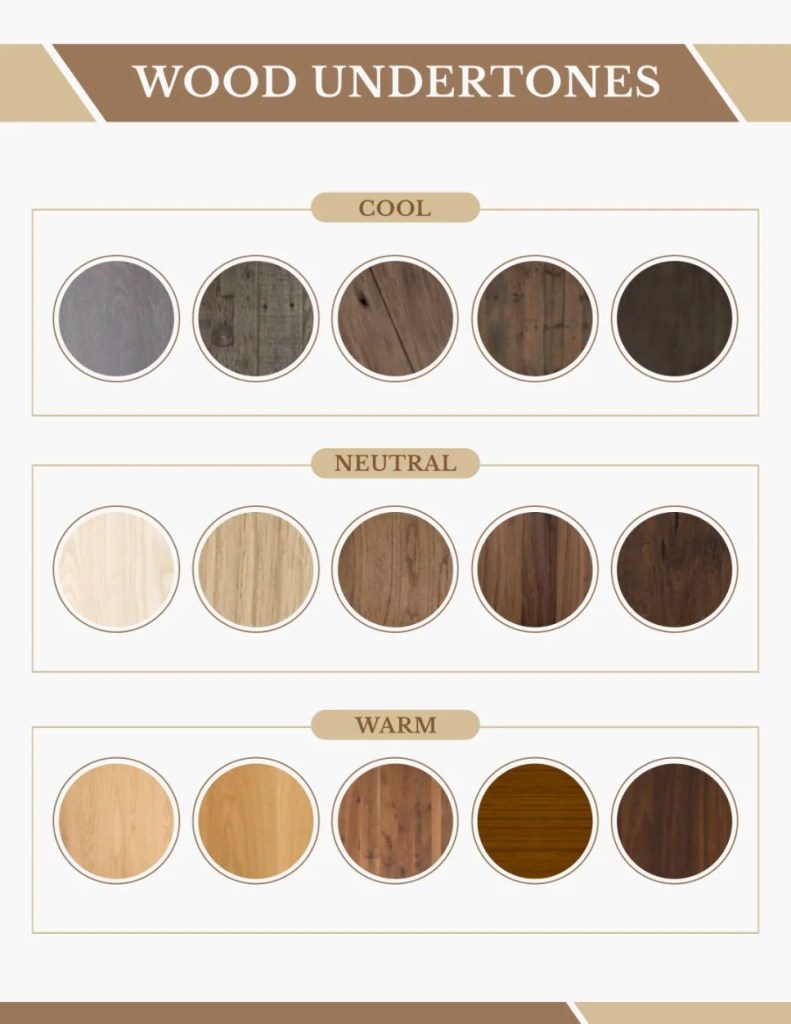
If your dominant wood tone is warm, you should aim to use woods and stains with yellow, orange, or reddish undertones. This will complement the warmth of the dominant tone and create a cohesive look. On the other hand, if your wood has a cool undertone, it’s best to stick with woods and stains that have grey, taupe, pink, or green undertones. This will help balance out the coolness of the wood and prevent any clashes.
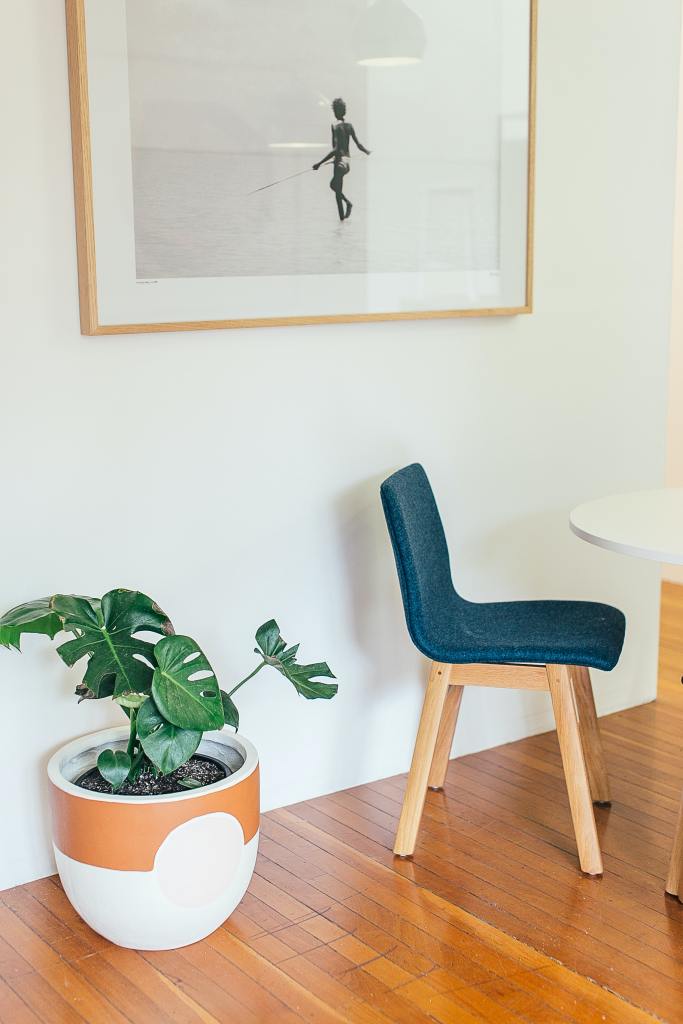
Contrast is your best friend, so go bold. One of the most crucial aspects of mixing wood tones is to go for contrast. Using contrasting colours rather than similar ones (that aren’t quite right) will make it look like a deliberate design choice rather than an accidental mistake.
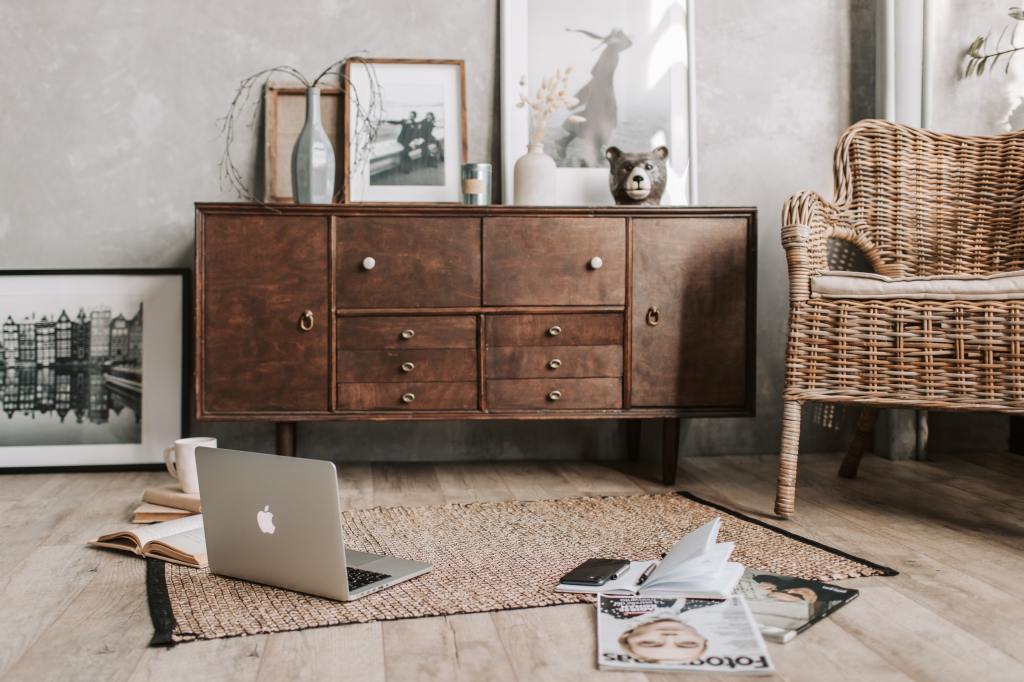
While contrast is essential, it’s better to have it in colour rather than in the type of grain. Different woods have different grain patterns, leading to a distinct feel in the room. For instance, casual spaces often lean towards larger grains, while formal spaces tend to use a finer, more subtle, grain. Try to keep the grains similar to achieve a cohesive look.

Another key factor to consider when mixing wood tones is the flooring. If you’re incorporating wood furniture into a room with wood floors, you’ll also need to consider how the floor tone and grains will work with the furniture pieces. If they don’t complement each other, you can cheat a little by adding a rug in between to create some space. This way, the two different woods won’t be right next to each other.
Once you’ve identified the wood undertones and shades that work well in your space, it’s important to repeat those selections throughout. A helpful guideline to follow is to ensure that each wood tone variation is used at least 2-3 times in the room. By incorporating the different wood tones in multiple places, you can create a sense of balance and harmony.
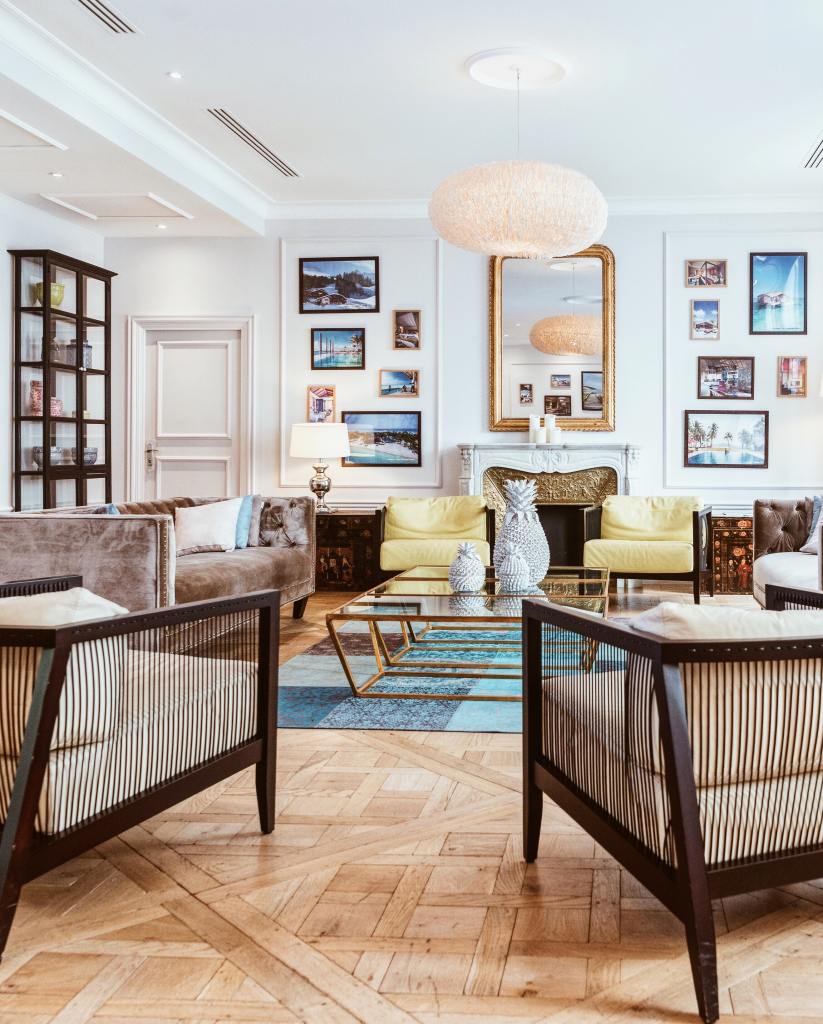
Lastly, remember to decorate in threes. While mixing wood tones can look amazing, you don’t want to overdo it. The rule of three is a good guideline to follow – use a maximum of three wood tones in one space. This will give the room a sophisticated look without overwhelming it. So, go ahead and experiment with mixing wood tones in your home, and see how it can transform your space!
 HOME AND LIVING