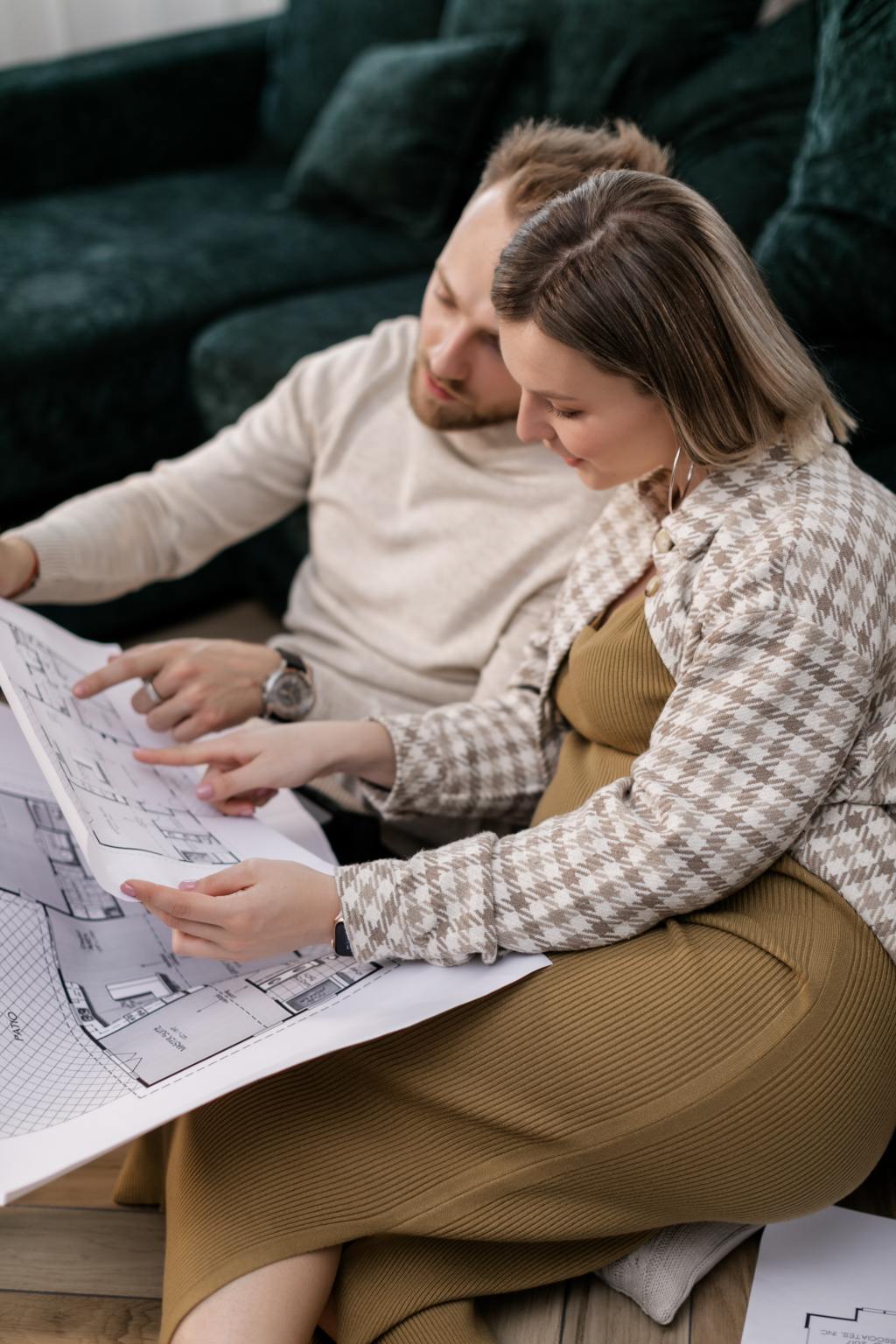
I have had the privilege of working with numerous clients seeking their dream homes and one of the most frequently debated aspects of home design is the idea of open concept versus closed living spaces.
Open concept layouts eliminate the walls and doorways between different areas, aiming instead to create one large space in which different areas coexist. Alternatively, closed floor plans (or traditional floor plans, as they are sometimes called) designate each area of the house as their own separate spaces, separated by walls and/or doors.
Open concept living has gained immense popularity over the years, but it’s not without its advantages and drawbacks. In this blog post, we’ll explore both sides of the coin to help you make an informed decision when considering the layout for your dream home.
The Benefits of Open Concept Living:
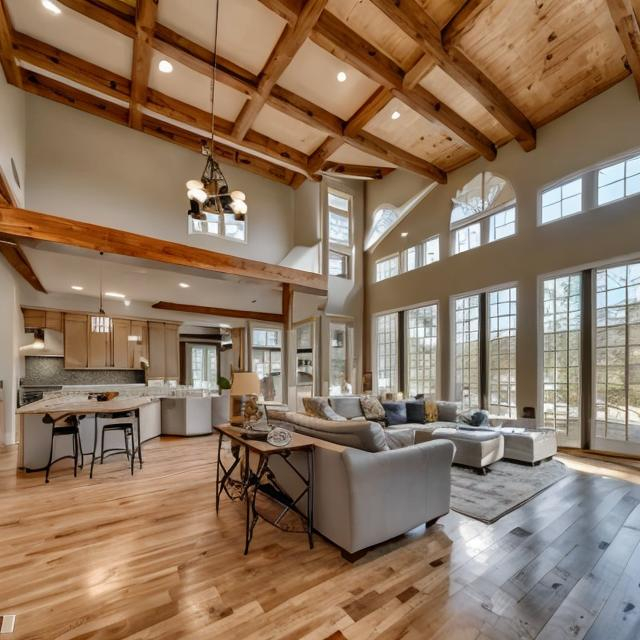
Enhanced Social Interaction
Open concept living spaces remove physical barriers, fostering a sense of togetherness and social interaction. Whether you’re cooking in the kitchen while your guests chat at the dining table or keeping an eye on your kids while they play in the living room, open layouts promote family bonding and ease of communication.
Natural Light and Airflow
Open floor plans often allow for better natural light distribution throughout your home. With fewer walls obstructing sunlight, you can enjoy a brighter and more inviting living space. Improved airflow also comes as a bonus, as it’s easier for fresh air to circulate throughout the open area.
Flexible Design Options
Open concept spaces provide homeowners with flexibility in interior design. You have the freedom to arrange furniture and decor in various ways, making it easier to adapt your living space to different needs, from hosting a large party to creating a cozy family movie night atmosphere.
Spacious Feel
Without walls and doors dividing rooms, open concept living can create an illusion of spaciousness, even in smaller homes. This can be especially appealing if you’re working with limited square footage, as it makes your space feel more open and airy.
The Benefits of Traditional Living Spaces:
Privacy
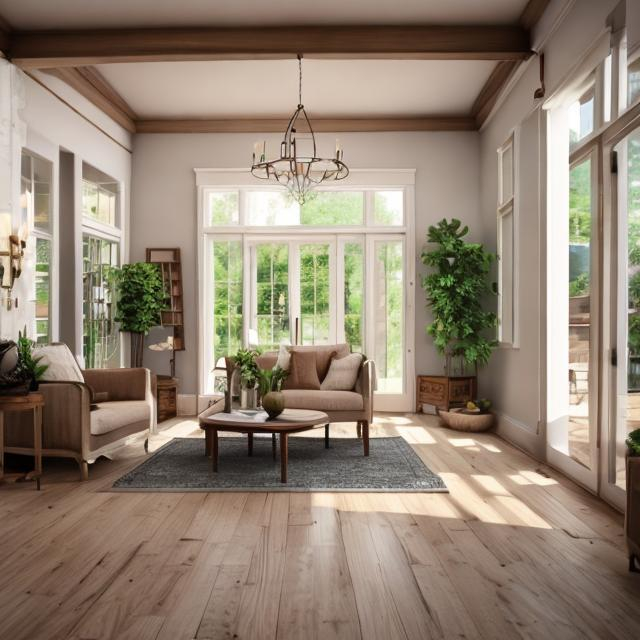
Closed layouts provide a haven of privacy within your home. Each room becomes a secluded retreat, offering moments of solitude and tranquility. This is particularly valuable when you need a quiet space for work, study, or personal reflection, away from the hubbub of the household.
Abundance of Storage Space
Traditional homes with closed layouts often boast ample built-in storage solutions. Dedicated closets, pantry areas, and discrete storage spaces are a hallmark of closed layouts. This abundance of storage helps maintain a clutter-free environment, offering a sense of organization and tidiness.
Reduced Cooking Disruptions
Closed layouts mitigate the challenges of cooking-related disruptions. When preparing aromatic; noisy; or large, messy meals in a closed kitchen, the confined space minimizes the spread of cooking odours and noise, and visual clutter; preserving a more peaceful atmosphere in the rest of the home.
Control of Visual Clutter
Closed layouts naturally compartmentalize living spaces, making it easier to manage and conceal visual clutter. You can keep messy kitchens, home offices, and storage areas hidden behind closed doors, ensuring that the rest of your home maintains a neat and tidy appearance.

Both home layouts have their own benefits and drawbacks, so it’s essential to consider how you and your family live and interact in your home when making this choice. Whether you prefer the communal atmosphere of open living spaces or value the privacy and division offered by traditional room layouts, your home should reflect your unique style and priorities. Ultimately, the choice between closed layouts and open concept living should align with your lifestyle, preferences, and priorities, ensuring that your home truly reflects your unique needs and desires.
 HOME AND LIVING